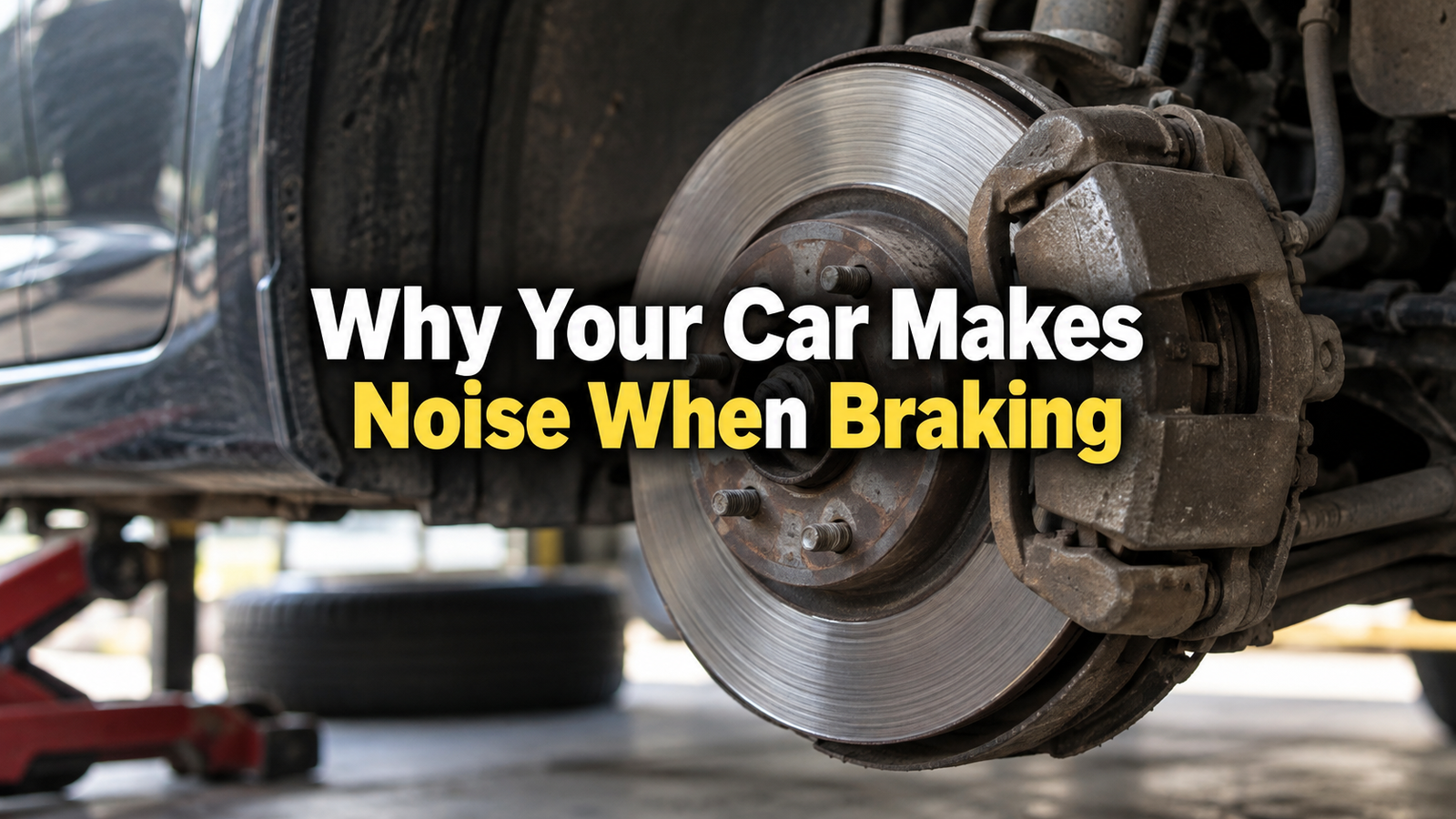
Hearing an unusual noise every time you press the brake pedal can be worrying. Brakes are one of the most important safety systems in any vehicle, so drivers naturally become concerned when they hear squeaking, grinding, clicking, or other unfamiliar sounds.
The good news is that brake noise does not always mean that something serious has failed. Some sounds can be caused by moisture, dust, temperature changes, or the materials used in the brake pads. However, certain noises can also warn you about worn brake pads, damaged rotors, loose components, or other problems that should not be ignored.
Understanding why your car makes noise when braking can help you recognize problems early and avoid expensive repairs. It can also help you explain the symptoms more clearly when you take your vehicle to a mechanic.
In this guide, I will explain the most common causes of brake noise, what different sounds may mean, and when you should have your braking system inspected.
Why Brake Noise Should Never Be Ignored
Your car’s braking system works through friction. When you press the brake pedal, the brake pads press against the brake rotors. This friction slows the rotation of the wheels and eventually brings the vehicle to a stop.
Because several parts move and press against each other, a small amount of sound can sometimes be normal. However, a noticeable change in brake noise often means that something in the system has changed.
For example, the brake pads may have become thin, the rotors may be uneven, or dirt may have entered the braking surface.
Ignoring brake noise can allow a small maintenance issue to become a much larger repair. More importantly, damaged brakes can increase stopping distance and reduce vehicle safety.
This is why any new, loud, or persistent brake noise deserves attention.
1. Worn Brake Pads
Worn brake pads are one of the most common reasons a car makes noise when braking.
Brake pads are designed to wear down gradually because they are constantly creating friction against the brake rotors. Most modern brake pads include a small metal wear indicator.
When the pad material becomes thin, the wear indicator begins touching the rotor. This often creates a high pitched squeaking or squealing sound.
The noise is actually designed to warn the driver that the brake pads are reaching the end of their useful life.
If you continue driving for too long after hearing this warning, the pad material may wear away completely. The metal backing of the brake pad can then begin contacting the rotor directly.
At that stage, the sound may change from squeaking to harsh grinding.
Replacing brake pads early is usually much cheaper than replacing both pads and damaged rotors.
2. Moisture on the Brake Rotors
Sometimes you may notice your brakes squeaking first thing in the morning, especially after the car has been parked outside overnight.
This can happen because moisture collects on the surface of the brake rotors.
A very thin layer of surface rust may form when metal rotors are exposed to moisture. When you first drive the car and apply the brakes, the pads rub against this surface rust.
This can produce a temporary squeaking or scraping sound.
In most cases, the sound disappears after a few brake applications because the pads clean the rotor surface.
This type of brake noise is usually not a serious problem if it disappears quickly.
However, if the noise continues after several minutes of driving, another cause may be responsible.
3. Dust and Dirt Around the Brakes
Brake components are constantly exposed to road dust, sand, small stones, and other debris.
Sometimes dirt becomes trapped between the brake pad and rotor. This can create squeaking, scraping, or rubbing sounds.
The problem may be more noticeable if you regularly drive on dusty roads or construction areas.
Brake dust can also build up over time. Brake dust is produced naturally as the brake pads wear.
A small amount is normal, but excessive buildup may contribute to noise.
Cleaning the brake components may solve the issue, but brakes should be cleaned using proper products and procedures.
Avoid spraying random chemicals or lubricants directly onto braking surfaces because this can reduce braking performance.
4. Brake Pads Made From Hard Materials
Not every brake noise indicates damage.
Different brake pads are made from different materials. Some contain ceramic compounds while others use metallic or organic materials.
Certain metallic brake pads can naturally produce more noise than softer brake pads.
They may create a light squeaking sound, particularly when the brakes are cold.
Performance brake pads may also be noisier because they are designed to handle higher temperatures and stronger braking forces.
If your brakes are working normally and the pads are still in good condition, the sound may simply be related to the pad material.
A mechanic can confirm whether the noise is normal or whether the braking system requires attention.
5. Damaged or Uneven Brake Rotors
Brake rotors should have a relatively smooth and even surface.
Over time, however, rotors can develop grooves, rough spots, or uneven wear.
This can happen because of worn brake pads, overheating, corrosion, or long term use.
When the brake pads press against an uneven rotor, you may hear rubbing, scraping, or grinding noises.
You may also feel vibration through the brake pedal or steering wheel.
A badly warped or uneven rotor can reduce braking comfort and effectiveness.
Depending on the condition of the rotor, it may need to be resurfaced or replaced.
Modern rotors often have minimum thickness specifications, so replacement is sometimes safer than resurfacing.
6. Grinding Noise When Braking
Grinding is one of the brake sounds that deserves immediate attention.
A grinding noise may mean that the brake pads are completely worn out.
Once the friction material disappears, the metal backing plate can begin rubbing directly against the metal brake rotor.
Metal against metal contact produces a harsh grinding sound.
This situation can damage the rotors quickly and may reduce braking performance.
Grinding can also be caused by debris stuck between the brake pad and rotor, although completely worn pads are a common cause.
If your brakes begin grinding, it is better to arrange an inspection as soon as possible rather than continuing to drive normally.
7. Loose Brake Components
The braking system contains several small components, including clips, shims, springs, and mounting hardware.
These parts help keep the brake pads properly positioned and reduce vibration.
If one of these components becomes loose, damaged, or incorrectly installed, it may cause clicking, rattling, or knocking sounds.
You might hear the noise when applying the brakes, releasing the brakes, or driving over uneven roads.
Loose brake hardware should be checked because brake components need to remain securely positioned during braking.
The repair may be relatively simple if the problem is only caused by worn or missing hardware.
8. Lack of Lubrication on Brake Contact Points
Certain areas of the braking system require special brake lubricant.
For example, the areas where brake pads contact their mounting hardware may require a thin layer of approved brake grease.
Without proper lubrication, vibration can develop and create squeaking noises.
Brake caliper slide pins also need to move smoothly.
If a slide pin becomes dry or seized, the brake caliper may not move correctly.
This can cause uneven pad wear, excessive heat, or unusual sounds.
It is important to understand that brake lubricant should never be applied to the braking surface of the pads or rotors.
Lubrication must only be used on approved contact points.
9. Sticking Brake Caliper
The brake caliper is responsible for pressing the brake pads against the rotor.
Inside the caliper are components that must move smoothly every time you use the brakes.
If the caliper becomes stuck, one brake pad may remain pressed against the rotor even after you release the brake pedal.
This can cause rubbing or grinding sounds.
A sticking caliper may also cause the vehicle to pull toward one side.
In some cases, you may smell something hot or notice excessive brake dust around one wheel.
A seized caliper can create a significant amount of heat and should be repaired promptly.
10. Brake Pad Vibration
Brake pads can sometimes vibrate against the rotor.
This vibration may produce a squealing sound.
Brake pad shims and clips are designed to help control vibration. If these parts become damaged, worn, or incorrectly installed, noise may develop.
This is one reason brake jobs should include more than simply replacing the brake pads.
A good brake service usually includes checking the hardware, cleaning the contact points, inspecting the rotors, and lubricating the correct areas.
Proper installation can significantly reduce unnecessary brake noise.
11. Small Stones Between the Rotor and Dust Shield
A surprisingly common cause of scraping noise is a small stone trapped between the rotor and the metal dust shield behind it.
This can happen after driving on gravel roads or areas with loose stones.
The stone may rub against the rotor and create a continuous scraping sound.
Unlike worn brake pads, the noise may continue even when you are not pressing the brake pedal.
Sometimes the stone falls out naturally, but in other cases the wheel may need to be inspected.
A bent dust shield can also touch the rotor and create a similar sound.
12. New Brakes Can Sometimes Make Noise
You might expect brand new brakes to be completely silent, but this is not always the case.
New pads and rotors sometimes need a short bedding period.
During this process, a small layer of friction material transfers from the brake pads to the rotor surface.
This helps the braking surfaces work together properly.
A small amount of noise during the early stages may be normal.
However, loud grinding, strong vibration, or poor braking performance after a brake replacement should be inspected.
Incorrect installation or incompatible parts may also cause brake noise.
13. Overheated Brakes
Brakes generate heat every time you slow the vehicle.
During normal driving, this heat is controlled by airflow around the braking components.
Heavy braking, mountain driving, towing, or repeatedly braking at high speeds can cause the brakes to become extremely hot.
Overheated pads can develop a hardened or glazed surface.
Glazed brake pads may produce squeaking noises and may not create friction as effectively as they should.
Rotors can also develop heat related damage.
Allowing the brakes to cool and having them inspected may be necessary if overheating becomes a repeated problem.
14. Low Quality Brake Parts
Very cheap brake pads may save money initially but can sometimes cause more noise.
Low quality materials may create excessive dust, uneven wear, or poor vibration control.
This does not mean that the most expensive brake pads are always necessary.
The important thing is to choose brake components that meet the specifications recommended for your vehicle.
Using trusted parts from a reputable manufacturer can improve braking performance, comfort, and durability.
Different Brake Noises and What They May Mean
Understanding the type of sound can provide useful clues.
A high pitched squeal often points toward worn brake pads, vibration, or pad material.
A harsh grinding sound may indicate severely worn brake pads or metal contact.
A clicking sound may be connected with loose brake hardware.
A rubbing sound can come from debris, a bent dust shield, or a sticking brake caliper.
A scraping sound may be caused by worn pads, damaged rotors, or a trapped stone.
These sounds are only general clues. A proper inspection is the best way to identify the exact cause.
Can You Drive a Car With Noisy Brakes?
The answer depends on the type of noise and what is causing it.
A small squeak caused by morning moisture may disappear within a few minutes and may not require repair.
Persistent squealing should still be inspected because it may indicate worn pads.
Grinding noises should be taken much more seriously.
If you hear grinding and also notice weak braking, vibration, pulling, or a soft brake pedal, continuing to drive could be unsafe.
When there is any doubt about braking performance, it is better to have the vehicle checked.
Signs That Your Brakes Need Immediate Attention
Brake noise becomes more concerning when it appears together with other symptoms.
Important warning signs include a brake warning light, a soft or spongy pedal, longer stopping distance, strong vibration, the vehicle pulling to one side, a burning smell, smoke from a wheel, or fluid leaking near the tires.
These symptoms can indicate a more serious braking problem.
Because brakes are a safety critical system, professional inspection is recommended when these symptoms appear.
How to Reduce Brake Noise
Regular maintenance is one of the best ways to reduce unexpected brake problems.
Have the brake pads inspected during routine vehicle servicing.
Do not wait until the pads are completely worn.
Keeping the wheels and brake area reasonably clean can also prevent excessive dust buildup.
Use high quality replacement parts that match the vehicle manufacturer’s specifications.
When replacing brake pads, the condition of the rotors and brake hardware should also be checked.
Smooth caliper movement and correct lubrication can help prevent uneven wear and unnecessary noise.
Driving habits also matter.
Avoid unnecessary hard braking and leave enough distance between your car and the vehicle ahead.
Smooth braking creates less heat and can help brake components last longer.
How Long Do Brake Pads Last?
There is no single mileage that applies to every car.
Brake pad life depends on driving style, vehicle weight, brake pad material, road conditions, and whether most driving takes place in cities or on highways.
City driving usually causes more brake wear because drivers stop more frequently.
Highway driving is generally easier on brake pads.
Some brake pads may require replacement around 30,000 miles, while others may last 60,000 miles or longer.
The best approach is to inspect the brakes regularly rather than depending only on mileage.
Why Regular Brake Inspections Matter
A brake inspection allows problems to be found before they become serious.
During an inspection, a technician may check brake pad thickness, rotor condition, caliper operation, brake fluid, hoses, and other components.
Finding a worn brake pad early can prevent damage to the rotor.
Finding a sticking caliper early may prevent overheating and uneven brake wear.
Preventive maintenance is usually cheaper and safer than waiting until the brakes begin making severe noises.
Frequently Asked Questions About Brake Noise
Why do my brakes squeak when I first start driving?
Morning brake squeaks are often caused by moisture or light surface rust on the rotors. The noise may disappear after several brake applications.
Why do my brakes grind?
Grinding often means the brake pads are badly worn and metal parts are contacting the rotors. It should be inspected quickly.
Can brake dust cause squeaking?
Yes. Excessive brake dust, dirt, or small particles around the braking surfaces can sometimes create squeaking noises.
Why do my new brakes squeak?
New brakes may produce temporary noise while the pads and rotors settle together. Incorrect installation, pad materials, or missing hardware can also cause noise.
Is brake squealing dangerous?
Not every squeal is dangerous, but persistent squealing can indicate worn brake pads or another issue. It is worth having the brakes inspected.
Why does my car make a clicking sound when braking?
Clicking may be caused by loose brake pads, clips, shims, or other brake hardware.
Can bad rotors make noise?
Yes. Grooved, rusted, cracked, or uneven rotors can cause scraping, grinding, or rubbing sounds during braking.
Final Thoughts
If you are wondering why your car makes noise when braking, there can be several possible causes. Worn brake pads are among the most common reasons, but moisture, dirt, damaged rotors, loose hardware, sticking calipers, overheated brakes, and even the type of brake pad material can also create noise.
The type of sound often provides the first clue. Light squeaking may sometimes be harmless, while grinding or severe scraping can indicate a problem that needs quick attention.
The most important thing is not to ignore a new or persistent brake noise. Regular brake inspections, quality replacement parts, and good driving habits can help keep the braking system quiet and reliable.
Brakes are directly connected to vehicle safety. Paying attention to unusual sounds gives you the chance to repair small problems before they become expensive or dangerous.
If your car develops repeated brake noise, especially together with vibration, weak braking, pulling, or a warning light, have the braking system inspected by a qualified mechanic.
A properly maintained braking system does more than eliminate irritating noises. It helps ensure that your car can stop safely and confidently every time you press the brake pedal.