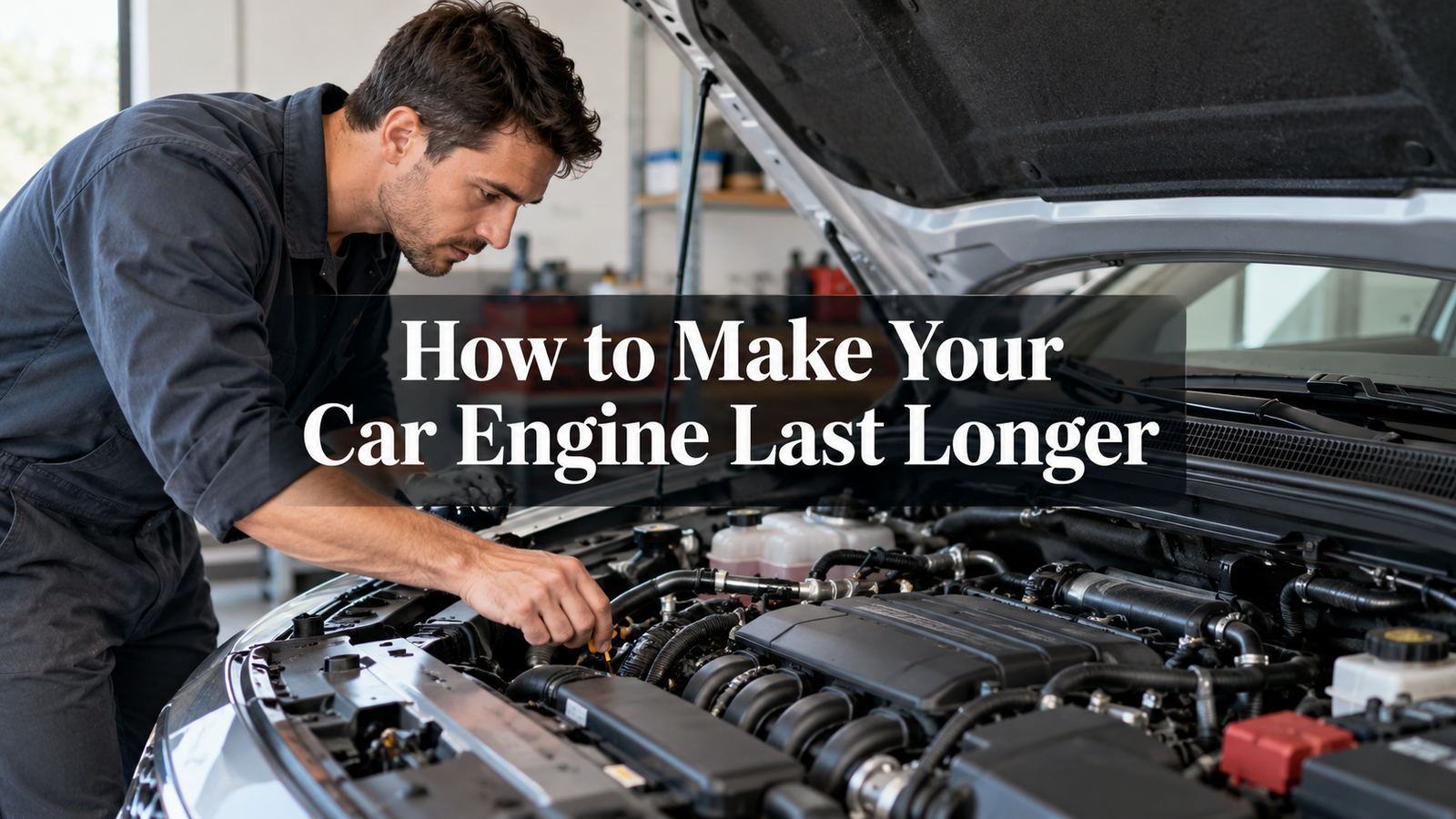
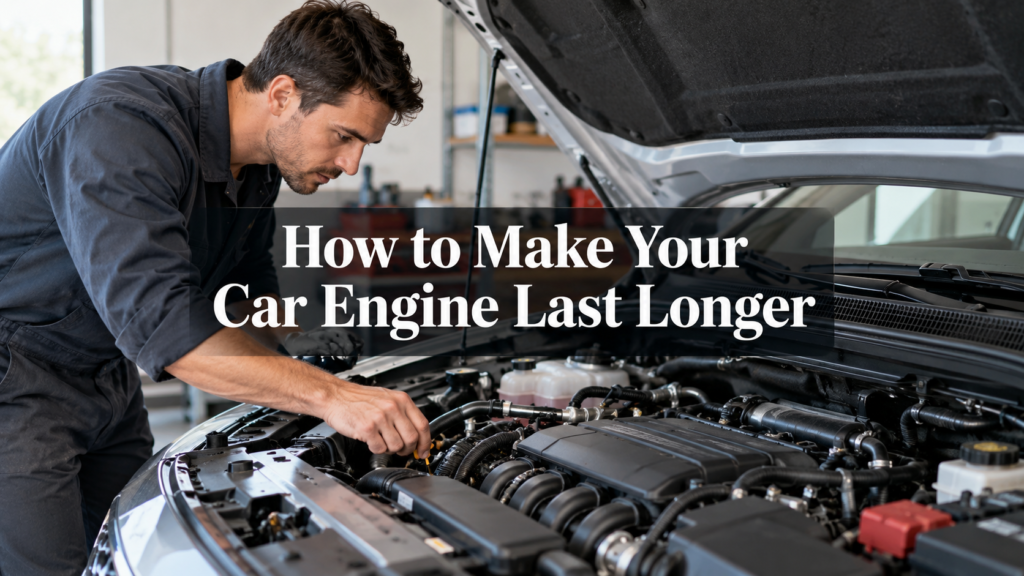
A car engine is one of the most important and expensive parts of a vehicle. When the engine stays healthy, the car performs better, uses fuel more efficiently, and gives you fewer repair problems. On the other hand, ignoring basic engine care can lead to expensive repairs, poor performance, overheating, and even complete engine failure.
I have always believed that making a car engine last longer is not about doing anything complicated. It is mostly about developing good driving habits, following a proper maintenance routine, and paying attention to small warning signs before they become serious problems.
Modern car engines are designed to last for many years when they receive proper care. Some engines can easily cover hundreds of thousands of kilometers without major repairs. However, their lifespan depends greatly on how the vehicle is driven and maintained.
In this guide, I will explain practical ways to make your car engine last longer and keep it running smoothly for years.
1. Change the Engine Oil on Time
Regular engine oil changes are one of the most important things you can do to extend engine life.
Engine oil provides lubrication to moving parts inside the engine. These components move at very high speeds and create heat and friction. Without proper lubrication, metal parts can rub against each other and wear out quickly.
Fresh engine oil helps reduce friction, control heat, remove small contaminants, and protect internal components.
Over time, engine oil becomes dirty and loses some of its protective properties. If you continue driving with old oil, the engine may experience increased wear.
Always follow the oil change interval recommended by your vehicle manufacturer. The correct interval may depend on the type of engine, driving conditions, and oil being used.
Also make sure you use the correct oil grade mentioned in the vehicle manual.
Using the right engine oil is one of the simplest ways to keep your engine healthy.
2. Check the Engine Oil Level Regularly
Changing the oil is important, but checking the oil level between services is equally important.
Some engines naturally consume a small amount of oil. Older engines may use more oil because of internal wear.
If the oil level becomes too low, the engine may not receive enough lubrication.
Checking the oil level usually takes only a few minutes.
Park the vehicle on a level surface and allow the engine to cool. Remove the dipstick, clean it, insert it again, and then check the oil level.
The oil should remain between the minimum and maximum marks.
If the level is low, add the correct type of oil.
A habit of checking the oil level every few weeks can help prevent serious engine damage.
3. Never Ignore the Temperature Gauge
Overheating is one of the biggest enemies of an engine.
A properly functioning cooling system keeps the engine within a safe operating temperature. If the engine becomes excessively hot, important components can become damaged.
Extreme overheating may damage the cylinder head, head gasket, pistons, seals, or other expensive components.
Always keep an eye on the temperature gauge while driving.
If the temperature suddenly rises above normal, stop driving when it is safe to do so and investigate the problem.
Common causes of overheating include low coolant, radiator problems, cooling fan failure, thermostat problems, and leaking hoses.
Continuing to drive an overheating vehicle can turn a small cooling system problem into a major engine repair.
4. Maintain the Cooling System
The cooling system plays a major role in helping your car engine last longer.
Coolant travels through the engine and radiator to control temperature. It also contains additives that help protect the cooling system from corrosion.
You should check the coolant level regularly and replace the coolant according to the manufacturer recommendations.
Do not assume that plain water is always a suitable long term replacement for proper coolant.
The correct coolant mixture provides better protection against corrosion, extreme temperatures, and internal deposits.
It is also important to inspect radiator hoses and coolant pipes for leaks or cracks.
A healthy cooling system helps the engine maintain the correct temperature during everyday driving.
5. Replace the Air Filter When Needed
Your engine needs clean air for combustion.
The air filter prevents dust, dirt, and other particles from entering the engine.
When the air filter becomes excessively dirty, airflow can become restricted. This may affect engine performance and fuel efficiency.
In very dusty areas, the air filter may require inspection more frequently.
Checking the air filter during regular servicing is a good habit.
A clean air filter allows the engine to breathe properly and prevents harmful particles from entering important internal components.
Replacing an air filter is usually inexpensive compared with repairing an engine damaged by poor maintenance.
6. Use Good Quality Fuel
Fuel quality can affect engine performance and long term reliability.
Always purchase fuel from trusted fuel stations whenever possible.
Poor quality or contaminated fuel can create problems in the fuel system and combustion process.
Modern vehicles often use sensitive fuel injectors that require clean fuel for proper operation.
You should also use the fuel octane rating recommended by the vehicle manufacturer.
Using a higher octane fuel than required does not automatically make an engine last longer. The important thing is using clean fuel with the correct rating for your engine.
Consistently using suitable fuel helps maintain smooth combustion and reliable performance.
7. Avoid Hard Acceleration When the Engine Is Cold
An engine needs a short amount of time to reach its normal operating condition after starting.
When the engine is cold, the oil is also colder and may take a little time to circulate properly.
You do not need to leave a modern car idling for a long time before driving.
In most situations, you can start the engine, allow it to settle briefly, and then drive gently.
Avoid full throttle acceleration or very high engine speed immediately after starting a cold engine.
Gentle driving during the first few minutes allows the engine oil and other components to gradually reach normal operating temperature.
This simple habit can reduce unnecessary engine wear.
8. Avoid Constant Aggressive Driving
Engines are designed to handle acceleration, highway speeds, and different driving conditions.
However, constantly pushing the engine to its limits can increase wear.
Frequent hard acceleration, unnecessary high engine speeds, and aggressive driving place additional stress on engine components.
Driving smoothly does not mean driving extremely slowly.
Instead, accelerate gradually, maintain a steady speed when possible, and avoid unnecessary engine strain.
Smooth driving also helps reduce fuel consumption and stress on the transmission, brakes, and tires.
A calm driving style can significantly contribute to long term vehicle reliability.
9. Do Not Ignore Warning Lights
Modern vehicles have sensors that monitor important engine systems.
If the check engine light or another warning light appears, do not ignore it for months.
Sometimes the problem may be minor, but warning lights can also indicate issues with ignition, emissions, fuel delivery, sensors, or other engine systems.
Early diagnosis can often prevent a small problem from becoming expensive.
For example, a minor misfire may initially seem like a small inconvenience. If ignored for too long, it may damage other components.
Whenever an unusual warning light appears, have the vehicle checked as soon as reasonably possible.
10. Change Spark Plugs at the Recommended Interval
Petrol engines use spark plugs to ignite the air and fuel mixture.
Over time, spark plugs wear out.
Old or damaged spark plugs may cause poor starting, rough running, reduced fuel economy, or engine misfires.
Replacing spark plugs according to the manufacturer schedule helps maintain efficient combustion.
Different vehicles use different types of spark plugs, so replacement intervals can vary significantly.
Always use the correct spark plug type and specification for your engine.
Proper ignition helps the engine operate smoothly and efficiently.
11. Keep the Fuel System Clean
The fuel system delivers fuel to the engine in precise amounts.
Fuel injectors can develop deposits over time, especially when fuel quality is inconsistent.
Keeping the fuel system healthy helps maintain proper combustion.
Using good quality fuel is usually the first step.
The fuel filter should also be replaced according to the maintenance schedule if your vehicle uses a serviceable fuel filter.
If the engine develops symptoms such as rough running, poor acceleration, difficult starting, or reduced fuel efficiency, the fuel system may need professional inspection.
Avoid using unnecessary additives without checking whether they are suitable for your vehicle.
12. Pay Attention to Strange Engine Sounds
A healthy engine usually develops a familiar sound.
If you regularly drive your vehicle, you probably know how it normally sounds.
Any new knocking, tapping, rattling, grinding, or unusual vibration deserves attention.
Not every sound indicates a serious problem, but strange noises can sometimes provide an early warning.
For example, unusual sounds may be caused by low oil levels, worn belts, loose components, ignition problems, or internal engine issues.
Finding the cause early can save money and prevent additional damage.
13. Replace Belts and Hoses Before They Fail
Belts and hoses are relatively simple components, but their failure can create major problems.
A damaged coolant hose may suddenly release coolant and cause overheating.
A failed belt can affect important accessories depending on the vehicle design.
During routine maintenance, inspect belts for cracks, wear, glazing, or damage.
Hoses should also be checked for leaks, swelling, brittleness, and deterioration.
The timing belt deserves special attention on engines that use one.
If a timing belt breaks on certain engine designs, severe internal engine damage may occur.
Always follow the recommended timing belt replacement interval.
14. Avoid Driving With Very Low Fuel
Regularly driving with the fuel level extremely low is not a good habit.
The fuel pump depends on fuel for cooling and lubrication in many vehicles.
Keeping a reasonable amount of fuel in the tank can help protect the fuel system.
Running very low also increases the risk of becoming stranded.
There is no need to keep the tank completely full all the time, but repeatedly waiting until the fuel level is almost empty is best avoided.
Good vehicle care often comes from simple habits like this.
15. Fix Oil and Coolant Leaks Early
Small leaks are easy to ignore.
You may notice a few drops of oil or coolant under the vehicle and assume it is not serious.
However, leaks often become worse over time.
A small oil leak can eventually reduce the engine oil level.
A coolant leak can slowly reduce coolant until the engine begins overheating.
If you notice spots under your parked vehicle, identify the source.
Check the engine bay and fluid levels regularly.
Repairing a minor seal, hose, or gasket leak early is usually easier than repairing damage caused by low fluids later.
16. Follow the Manufacturer Maintenance Schedule
Every vehicle manufacturer provides a recommended maintenance schedule.
This schedule is designed around the requirements of the specific engine and vehicle.
It may include engine oil replacement, filters, spark plugs, timing belts, coolant, transmission fluid, and other important services.
Following this schedule removes much of the guesswork from car maintenance.
You do not need to replace every component unnecessarily.
Instead, focus on scheduled maintenance and inspection.
Keeping service records is also useful because you can easily remember when important work was completed.
17. Avoid Very Short Trips When Possible
Frequent short trips can sometimes be harder on an engine than longer drives.
During a very short journey, the engine may not reach its normal operating temperature.
Moisture and contaminants may also remain in the engine oil.
This does not mean you should avoid using your car for short journeys when necessary.
However, if all your driving consists of extremely short trips, occasional longer drives may help the engine reach its proper operating temperature.
Always follow the service schedule recommended for your driving conditions.
Vehicles used mainly for short trips may sometimes require more frequent maintenance.
18. Do Not Overload Your Vehicle
Every vehicle has a recommended load capacity.
Consistently carrying excessive weight forces the engine to work harder.
It also increases stress on the suspension, brakes, transmission, and tires.
Remove unnecessary heavy items from the vehicle if you carry them regularly without any reason.
When transporting passengers or cargo, stay within the recommended weight limits.
Reducing unnecessary load can improve fuel efficiency and reduce strain on important vehicle components.
19. Keep the Engine Bay Reasonably Clean
You do not need to make the engine bay look brand new every week.
However, keeping it reasonably clean can make maintenance easier.
A cleaner engine bay makes it easier to notice oil leaks, coolant leaks, damaged hoses, loose connections, and other developing problems.
Avoid spraying large amounts of high pressure water directly onto sensitive electrical components.
If you are unsure how to clean the engine bay safely, have it cleaned professionally.
The purpose is not appearance alone.
A clean engine bay can make inspection easier.
20. Find a Trusted Mechanic
Good maintenance depends partly on the quality of the person working on your vehicle.
A knowledgeable and honest mechanic can identify problems early and help you avoid unnecessary repairs.
Try to find a workshop that understands your vehicle and uses suitable replacement parts.
Keep records of important repairs and maintenance.
If you notice unusual engine behavior, explain the symptoms clearly to the mechanic.
Regular preventive maintenance is usually much cheaper than waiting for a major breakdown.
Signs Your Engine Needs Attention
Even a well maintained engine can develop problems as it ages.
Pay attention to common warning signs such as excessive smoke from the exhaust, loss of power, unusual engine noise, overheating, rough idling, frequent oil loss, poor fuel economy, difficult starting, warning lights, or unusual smells.
These symptoms do not automatically mean that the engine is seriously damaged.
However, they should not be ignored.
Early diagnosis gives you the best chance of fixing the problem before additional components are affected.
How Long Can a Car Engine Last?
There is no single answer because engine life depends on many factors.
Vehicle design, maintenance quality, driving conditions, engine type, climate, fuel quality, and driving habits all influence engine lifespan.
A well maintained engine can often continue performing reliably for a very high mileage.
The most important factor is consistency.
One oil change will not protect an engine forever.
One careful drive will not cancel years of neglect.
Engine longevity comes from repeatedly following good maintenance and driving habits.
Final Thoughts
Learning how to make your car engine last longer can save a significant amount of money over the life of your vehicle.
You do not need advanced mechanical knowledge to protect your engine.
Start with the basics.
Change the engine oil on time, use the correct fluids, monitor the cooling system, replace filters when required, avoid excessive engine stress, and pay attention to warning signs.
Most major engine problems do not appear without any warning. Small leaks, unusual noises, warning lights, overheating, and changes in performance often provide clues that something needs attention.
Taking action early can prevent a small problem from becoming a major repair.
The best approach to engine care is simple. Drive responsibly, maintain the vehicle regularly, and never ignore unusual changes.
A car engine is designed to work hard, but it also depends on proper maintenance. Treat it well, and it can continue delivering smooth, reliable performance for many years and many thousands of kilometers.